Image by Robert Benson
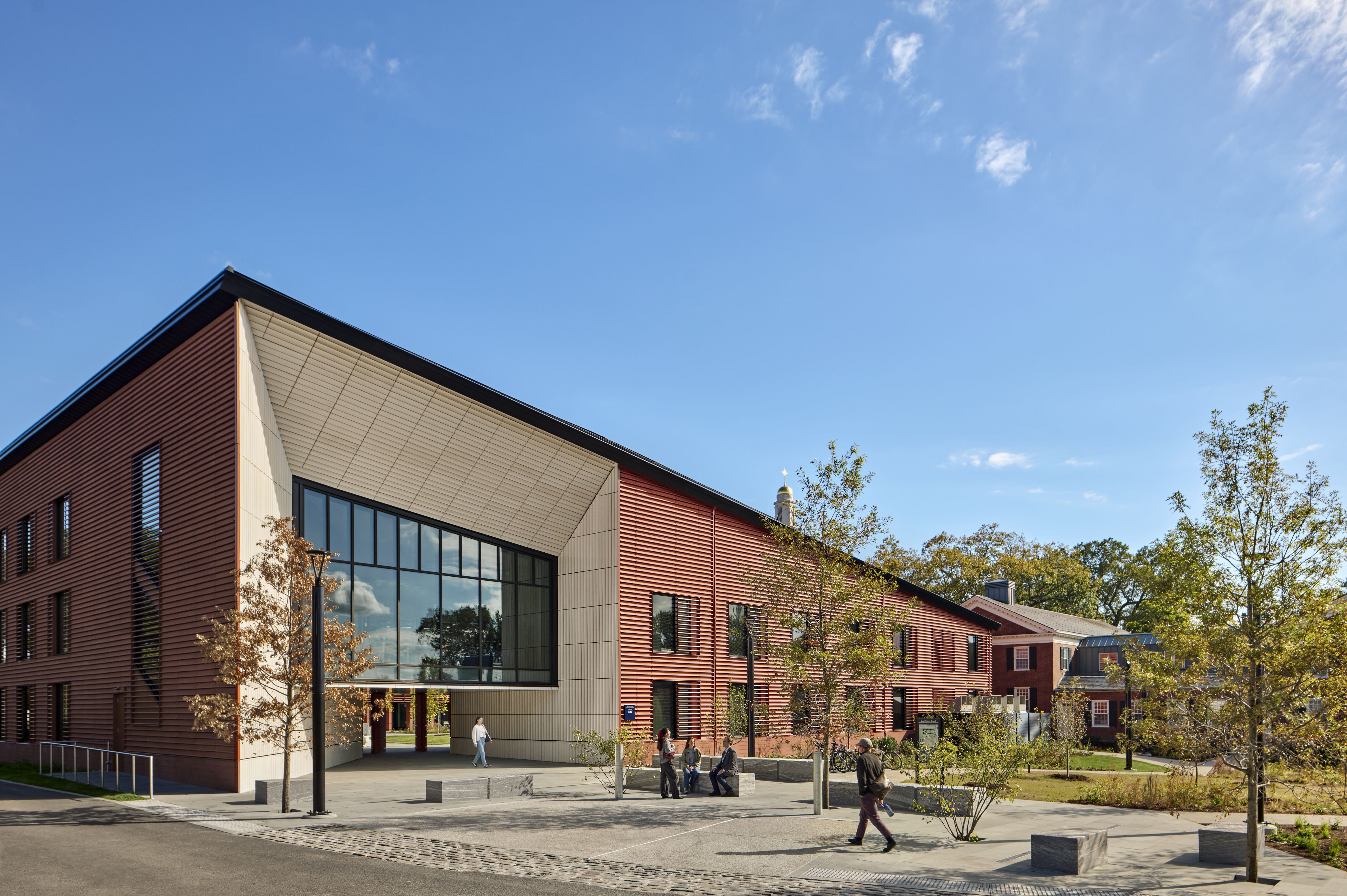
Image by Robert Benson
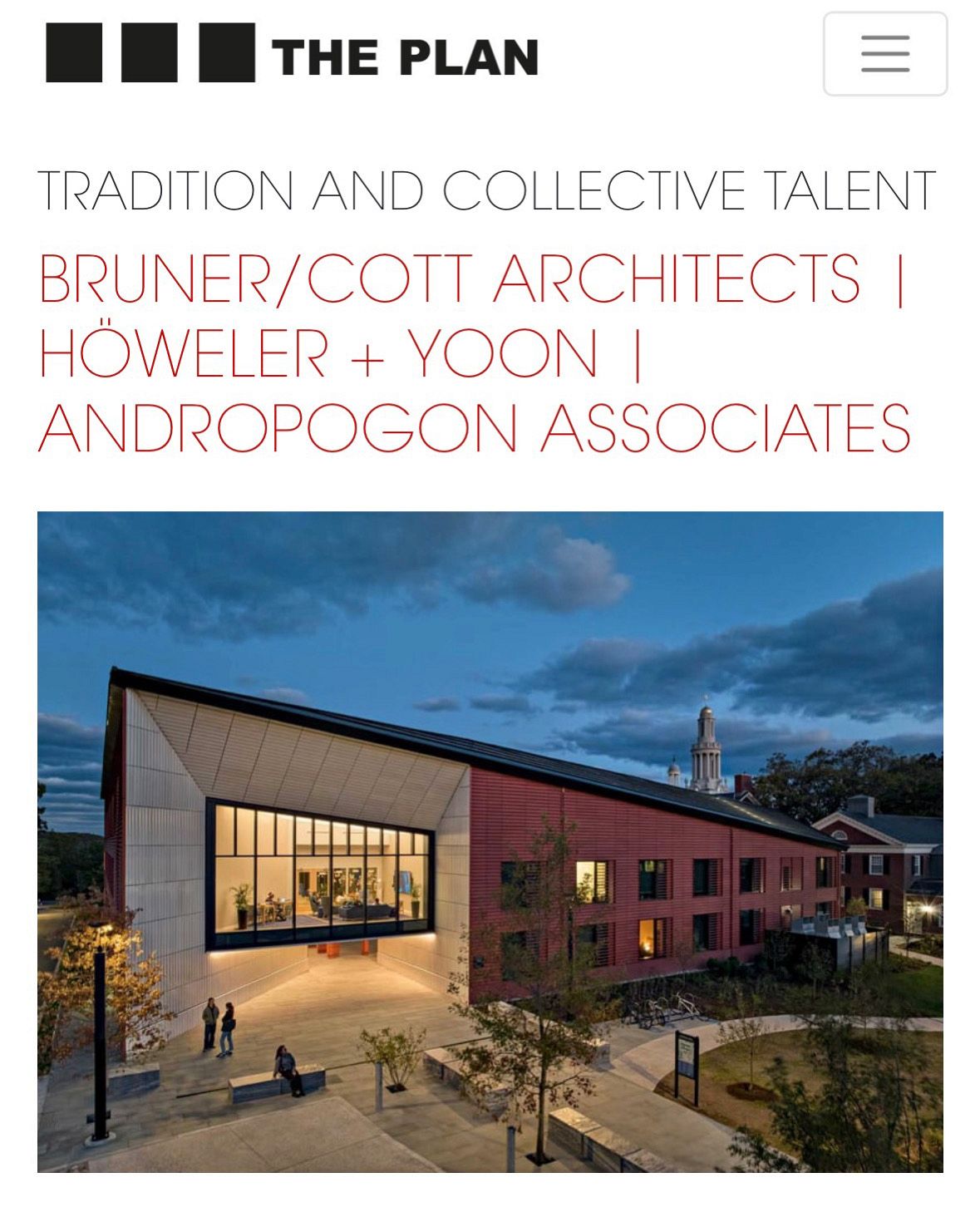
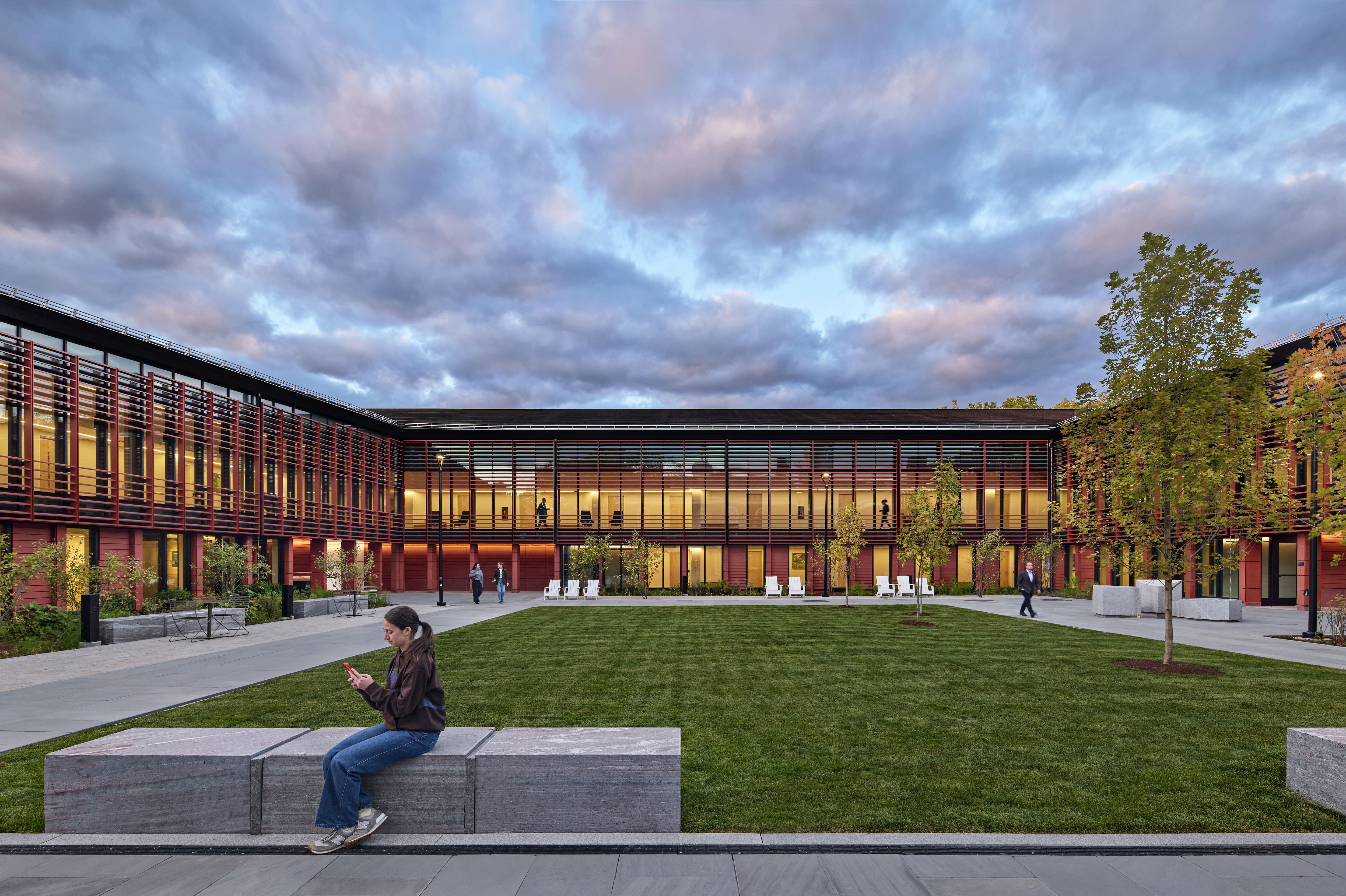
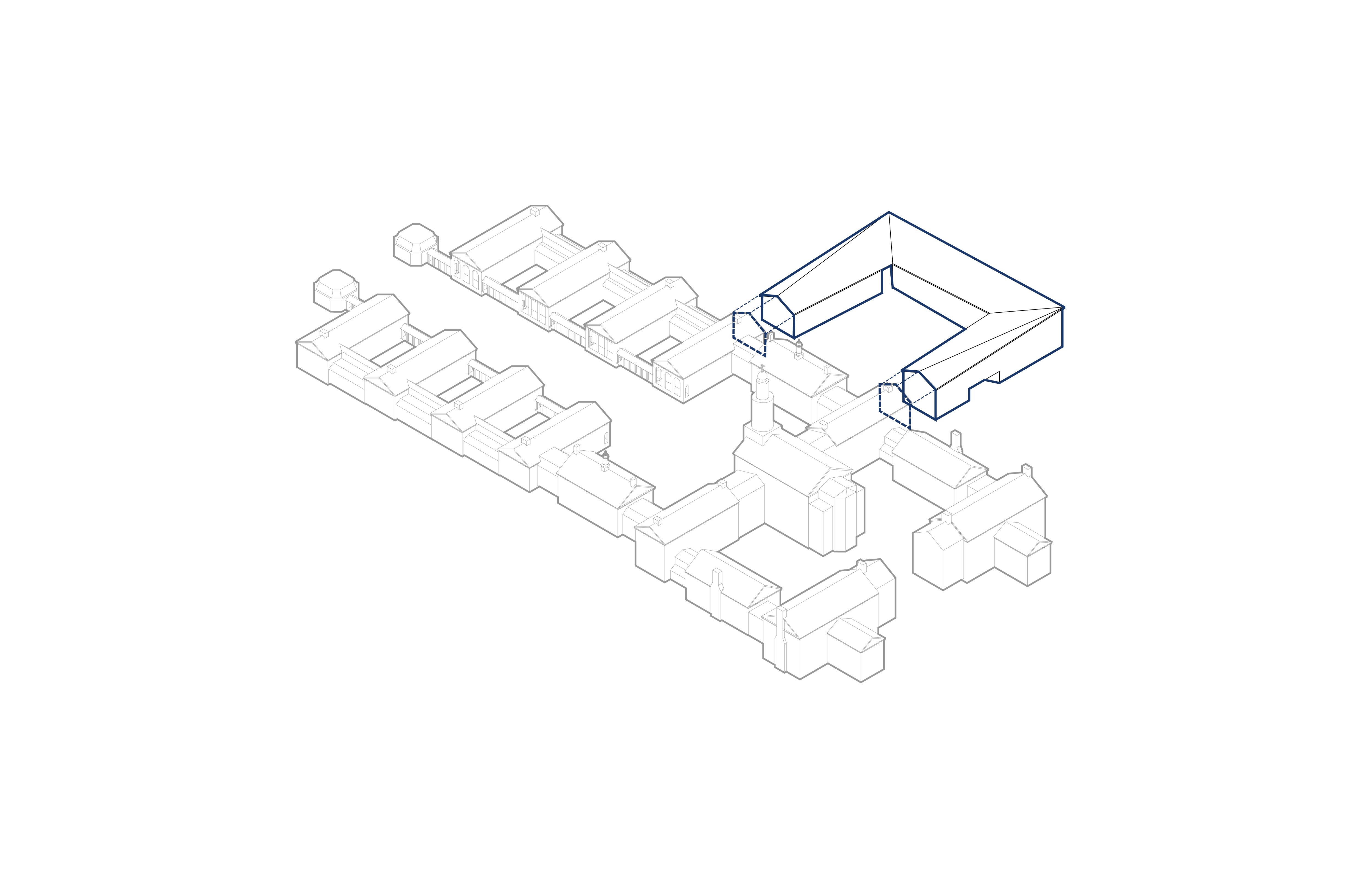
As a new part of the historic campus of the Yale Divinity School (YDS), the Living Village, with collaborating Architects Bruner/Cott, consists of new graduate student housing buildings, a physical plant building and a renovated entry to the Sterling Divinity Quadrangle. The Quadrangle possesses a strong “grain,” a cohesive arrangement composed of evident hierarchy, interrelated proportions, sacred geometry, and human-scale dimensions. The Living Village weaves into the site’s warp and weft, taking cues from the Quadrangle’s grain while signifying a new direction for the school.
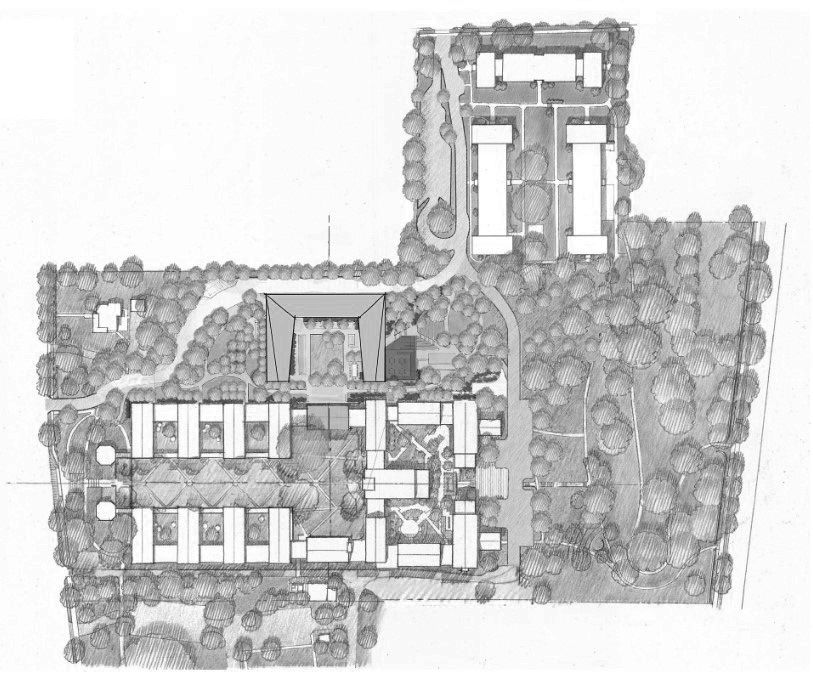
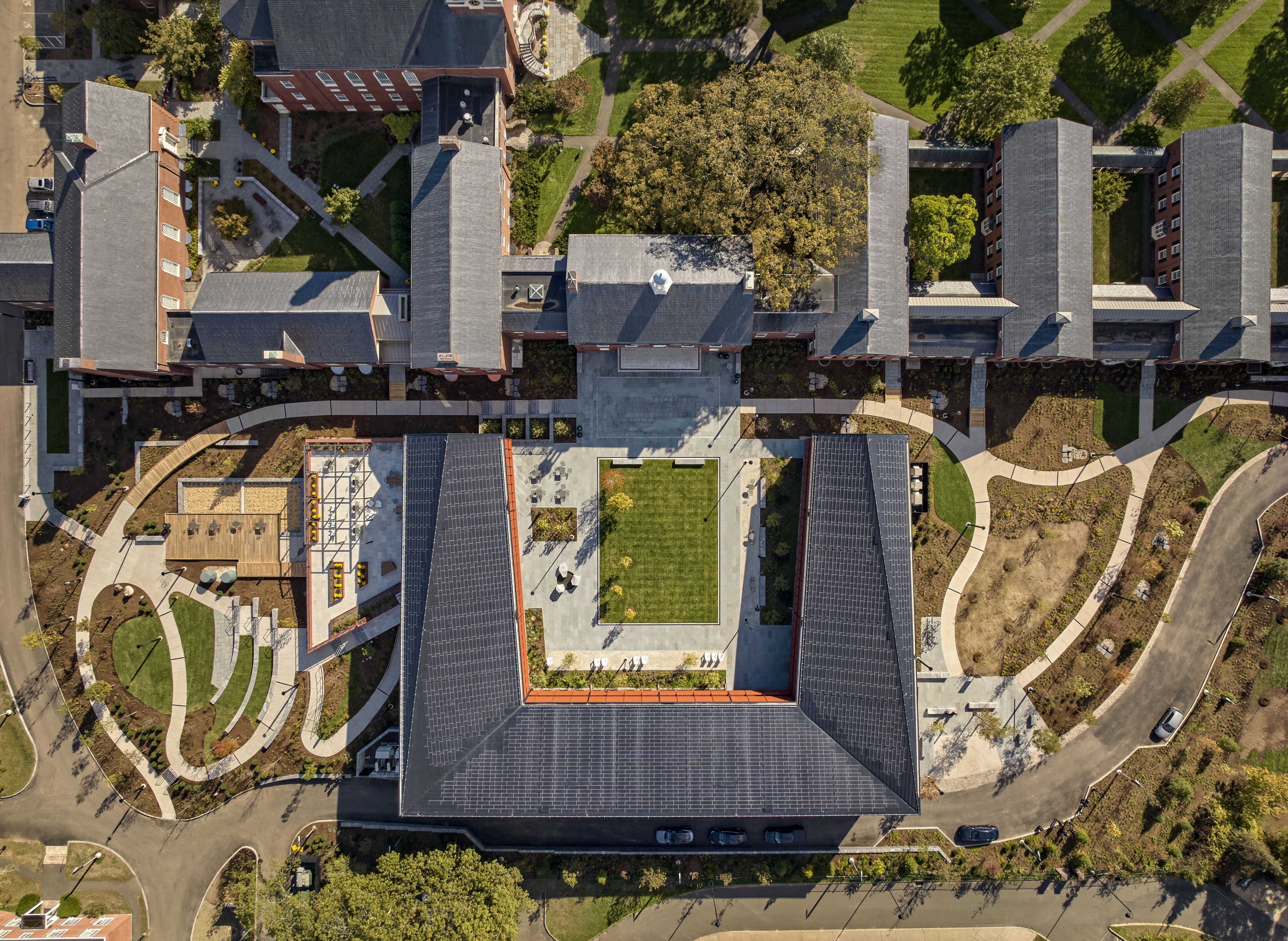
Image by Robert Benson
By adopting the scale and proportion of the historic campus, the new architecture is immediately familiar. The configuration of the Living Village recognizes and augments the pre-established organizational systems on the Divinity School campus in order to meaningfully contribute to the larger comprehensive campus, without distracting from, or diluting, the historic structures.
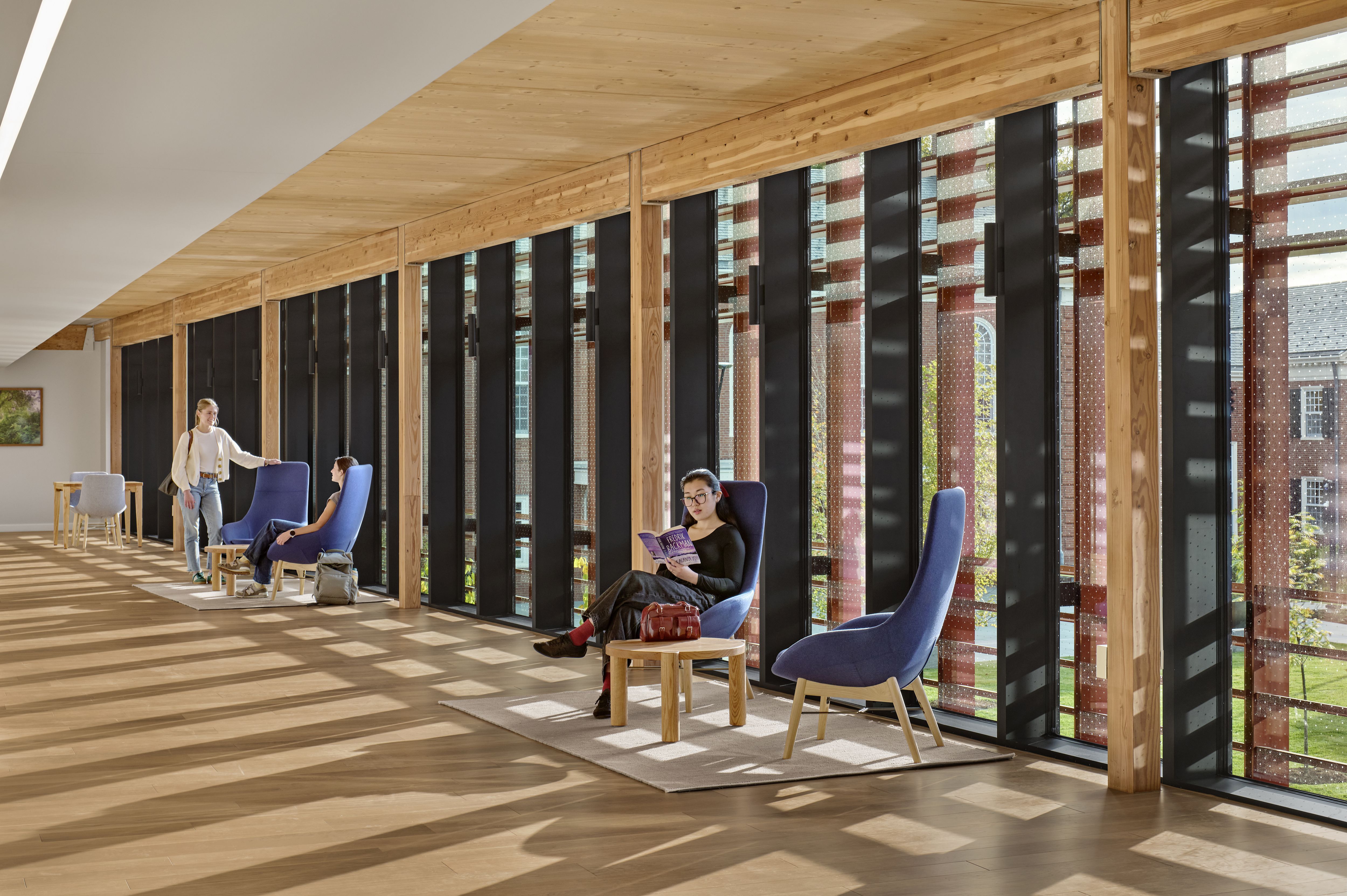
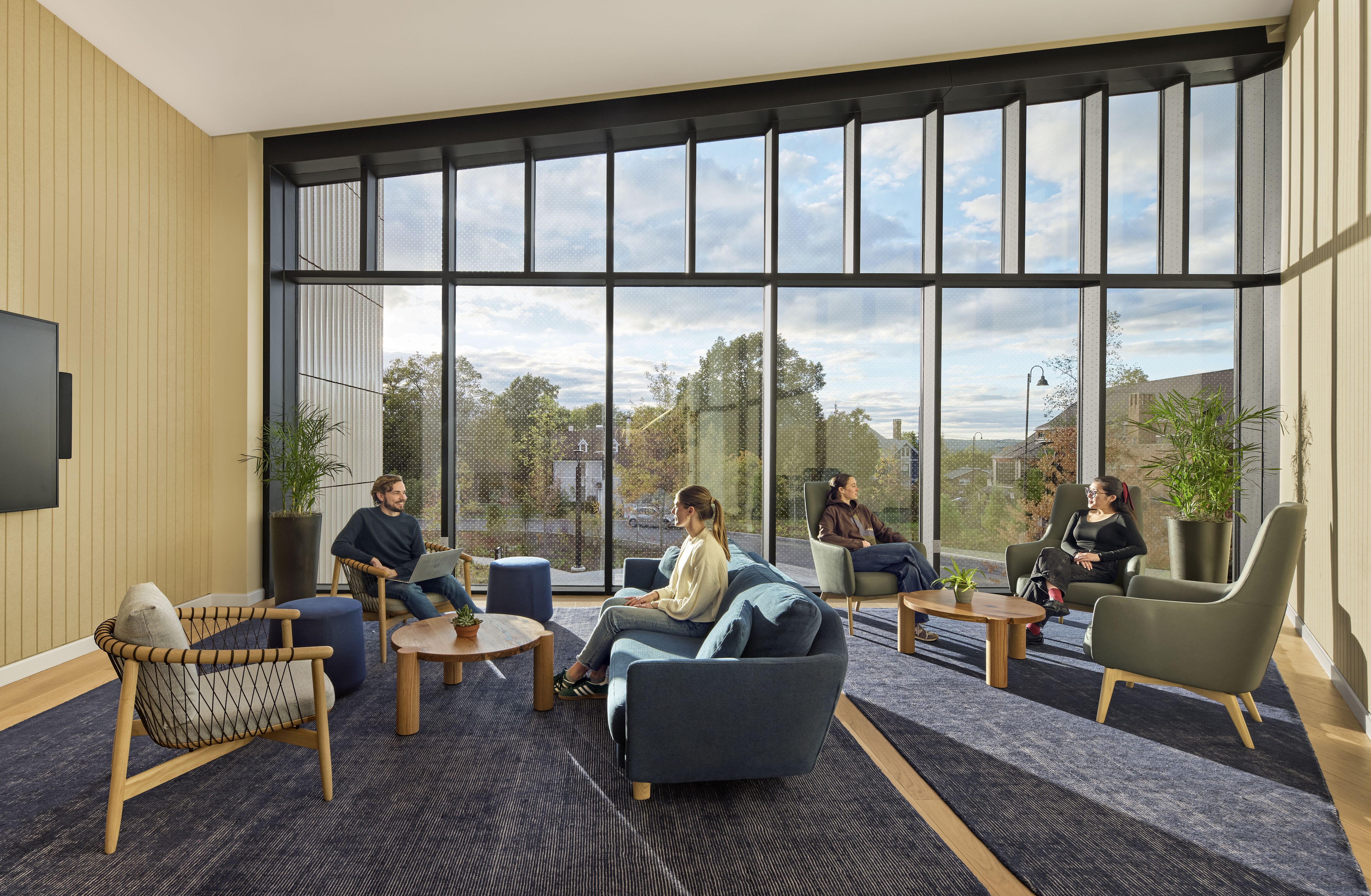
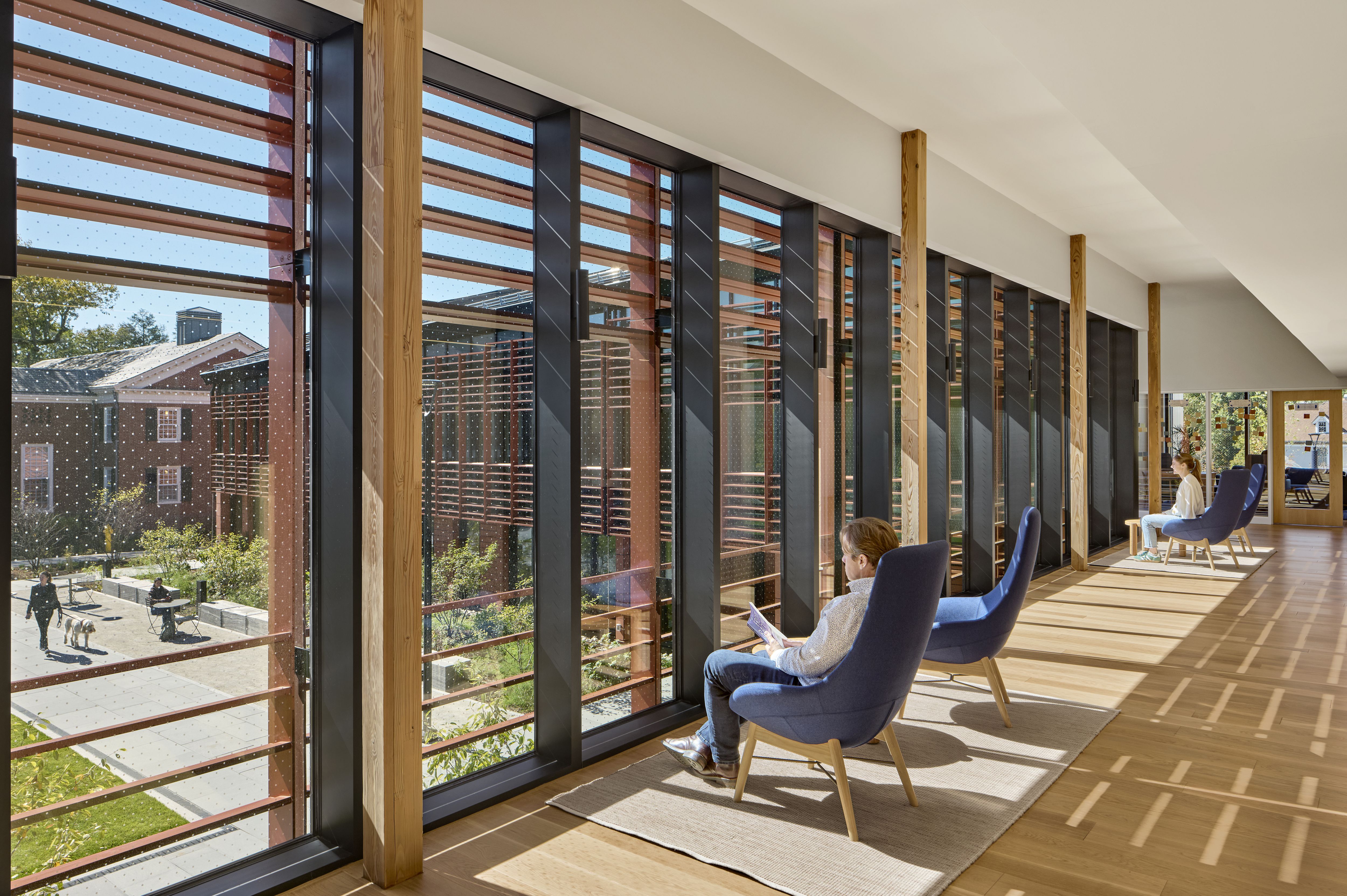

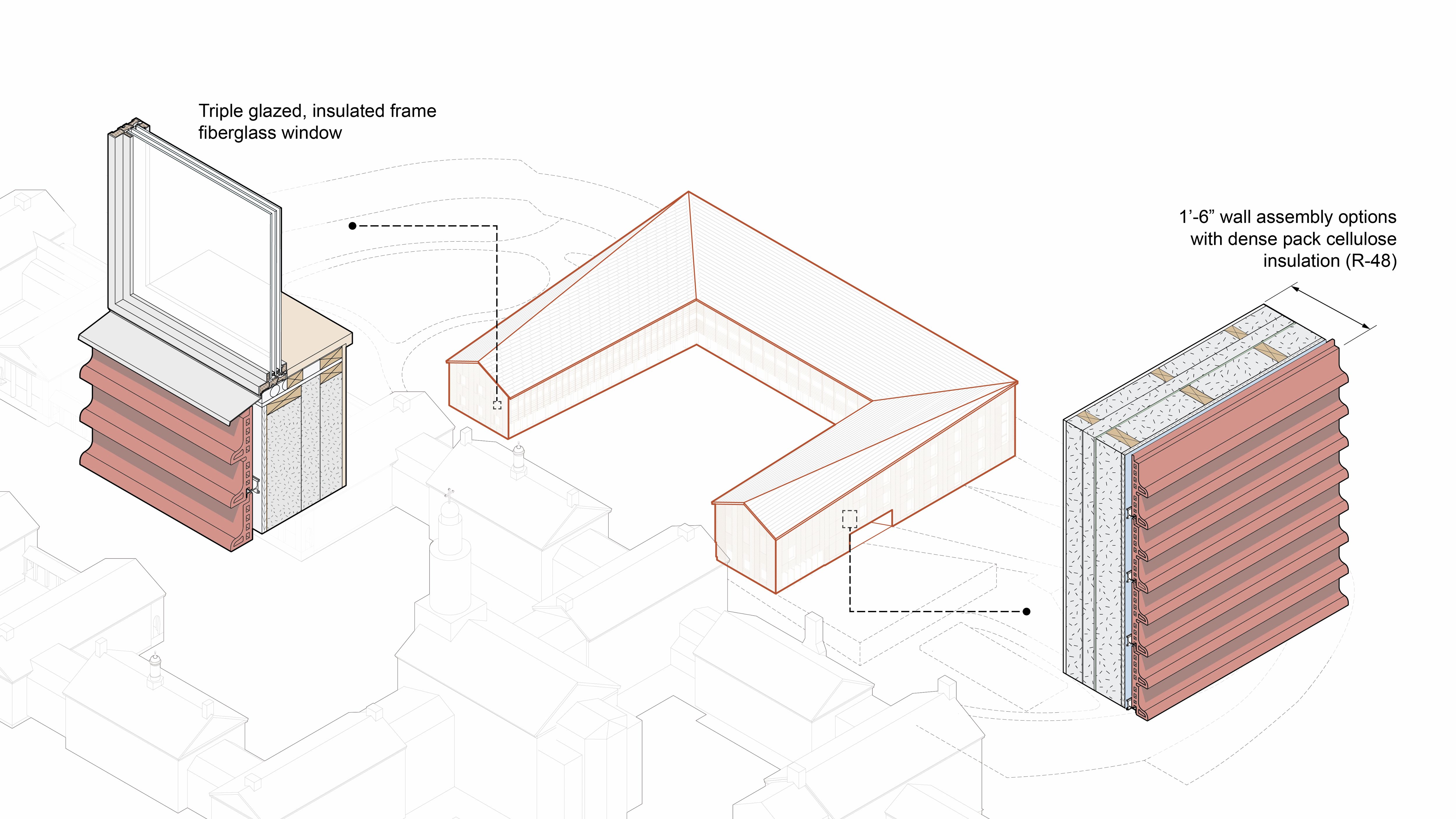
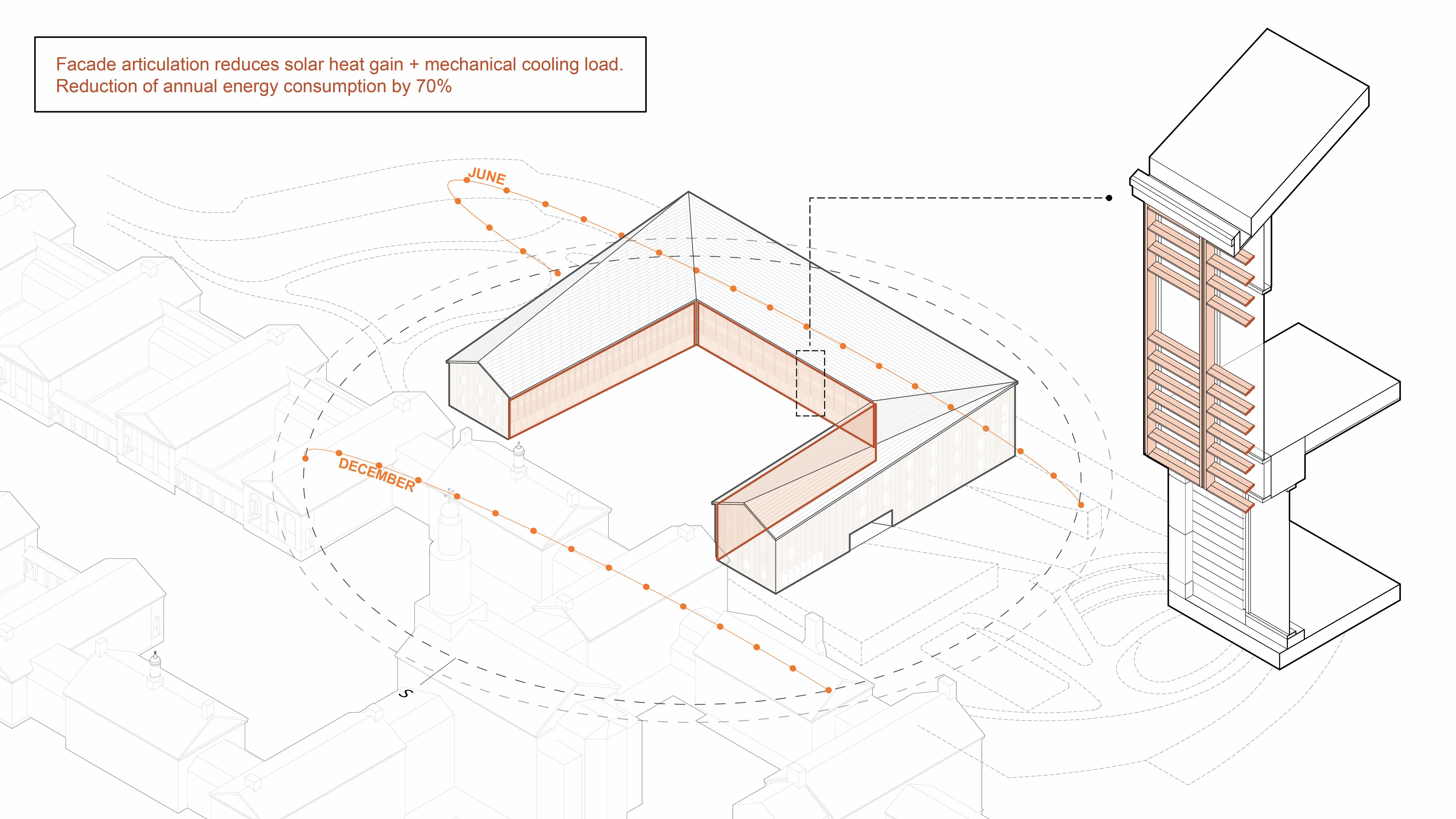
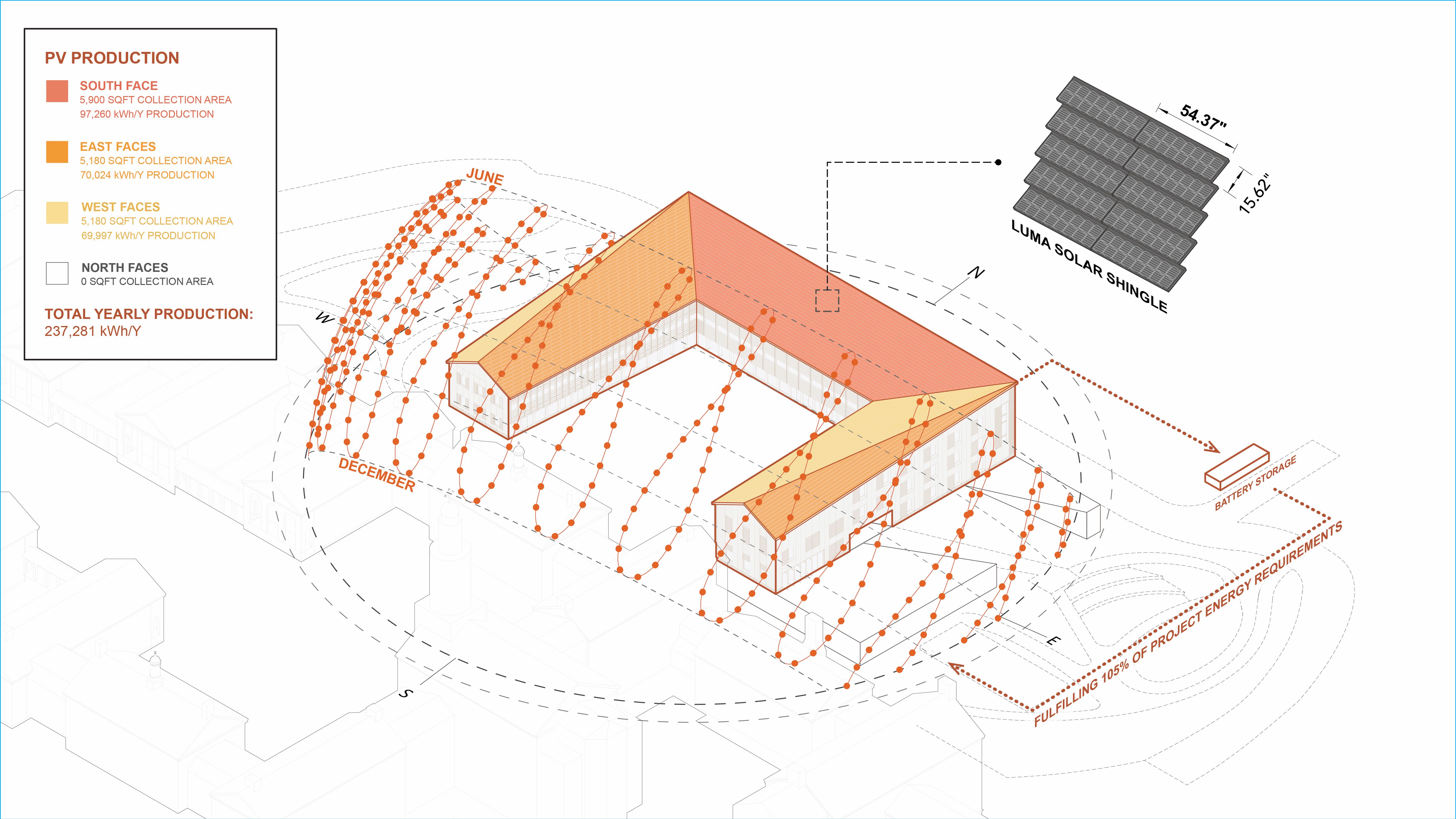
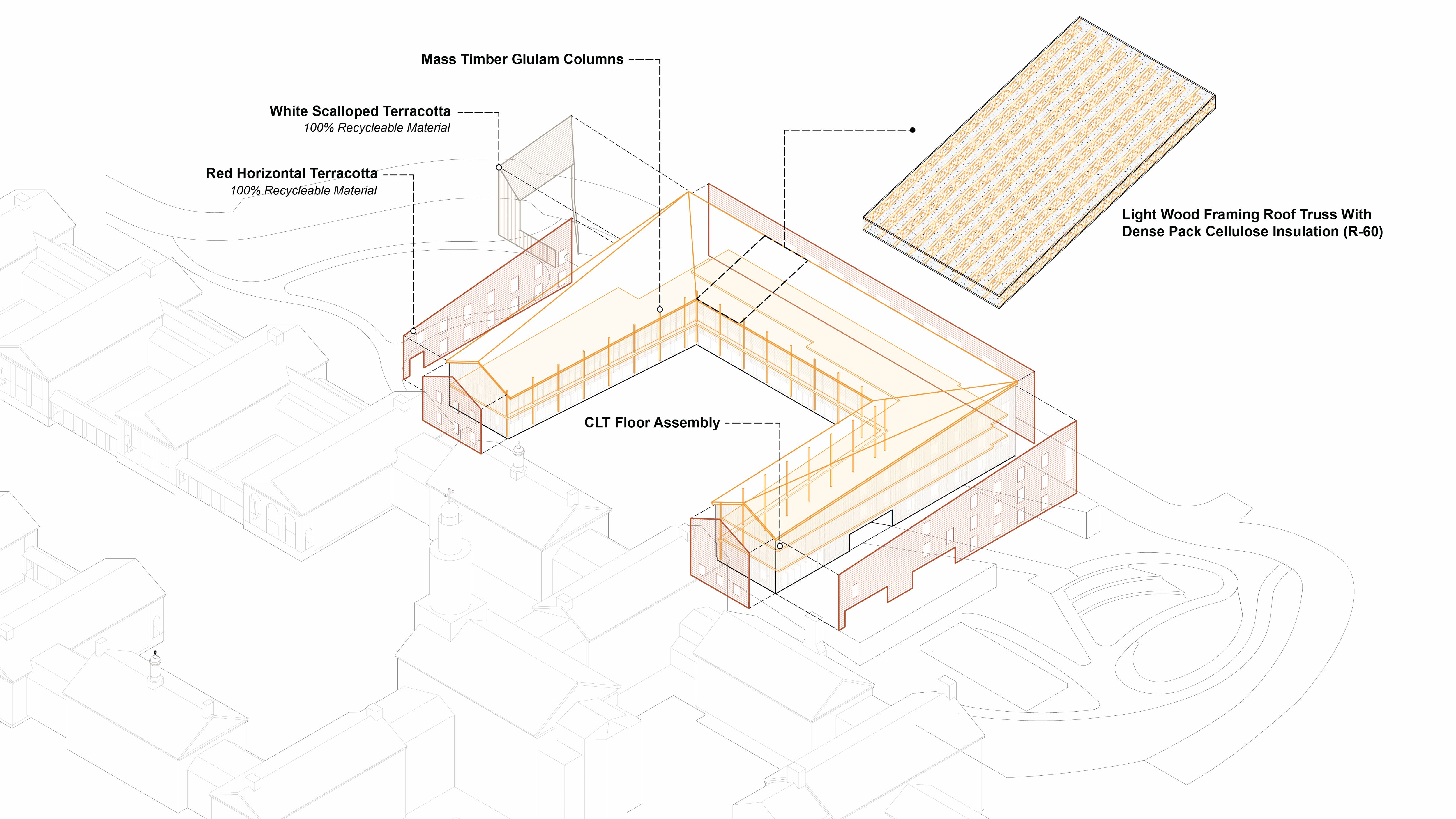
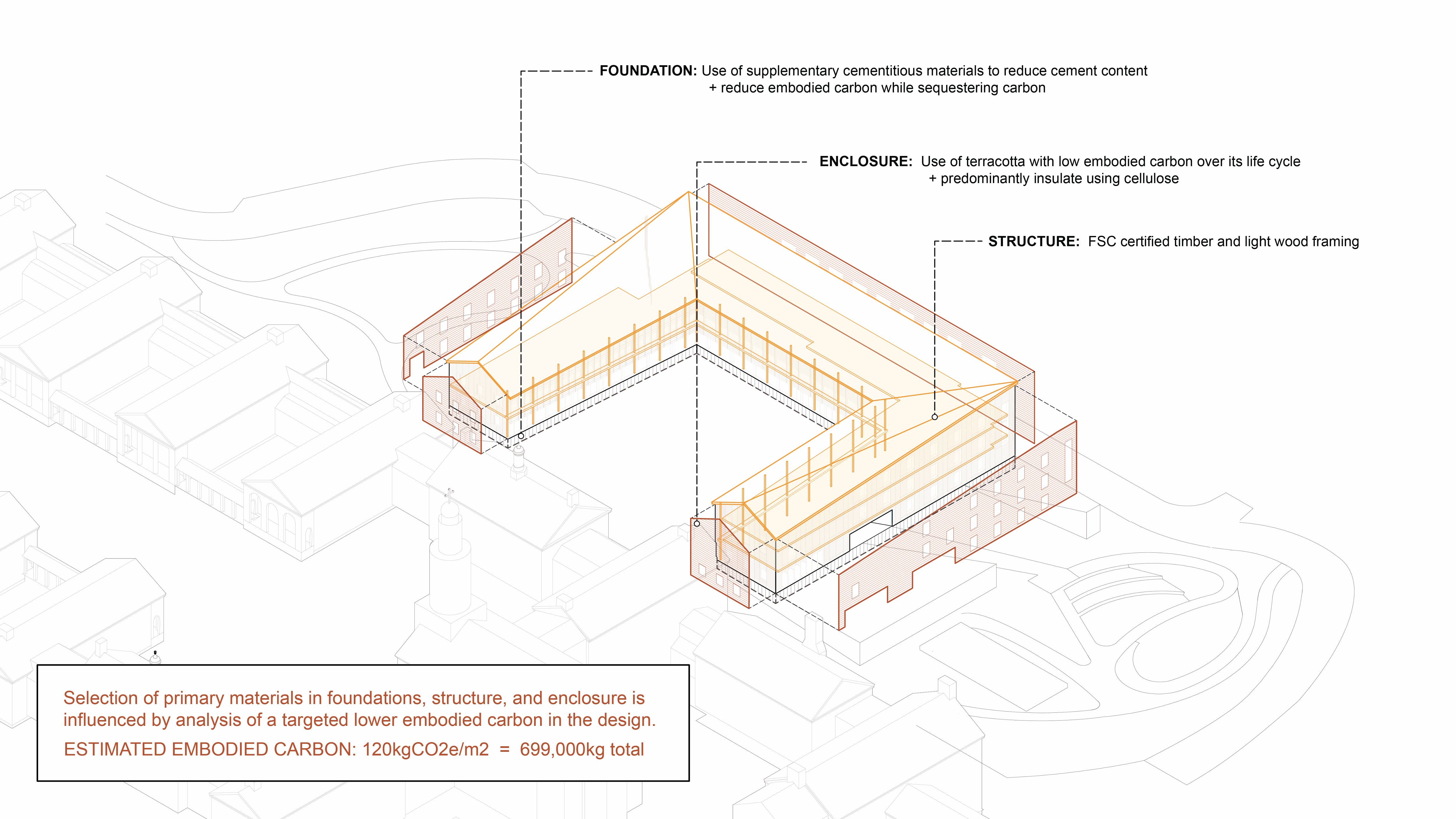
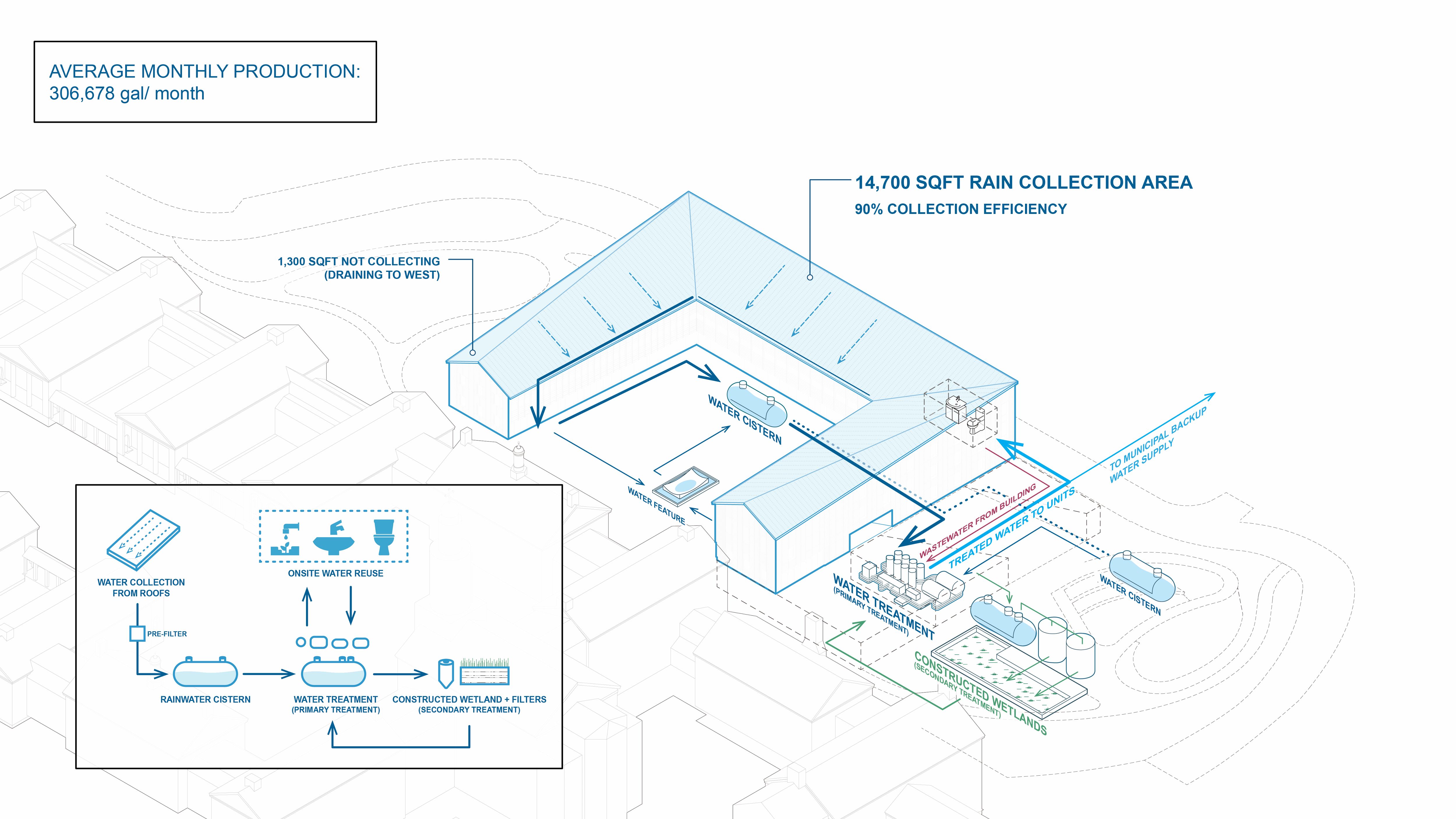
The Living Building Challenge (LBC) establishes the most rigorous standards in the world in a variety of categories including site impacts, energy, water, materials, and resources, as well as issues of beauty and inspiration, human equity, health, and happiness. The Living Village is one of only 26 buildings in the world which meet these performance standards. In order to do so, the Living Village generates more energy than it uses (net positive), captures and treats all water on site, and is constructed using healthy materials.
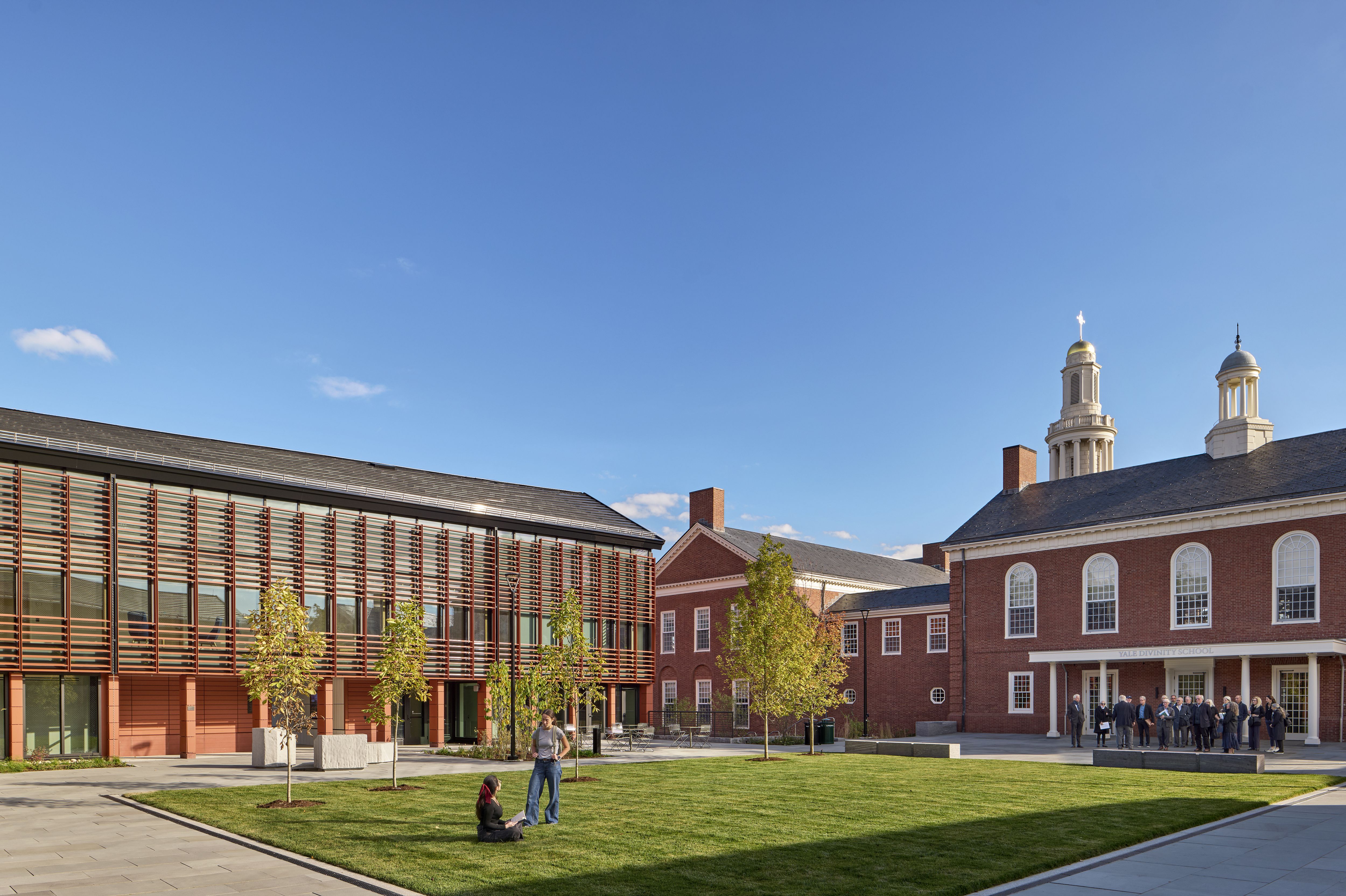
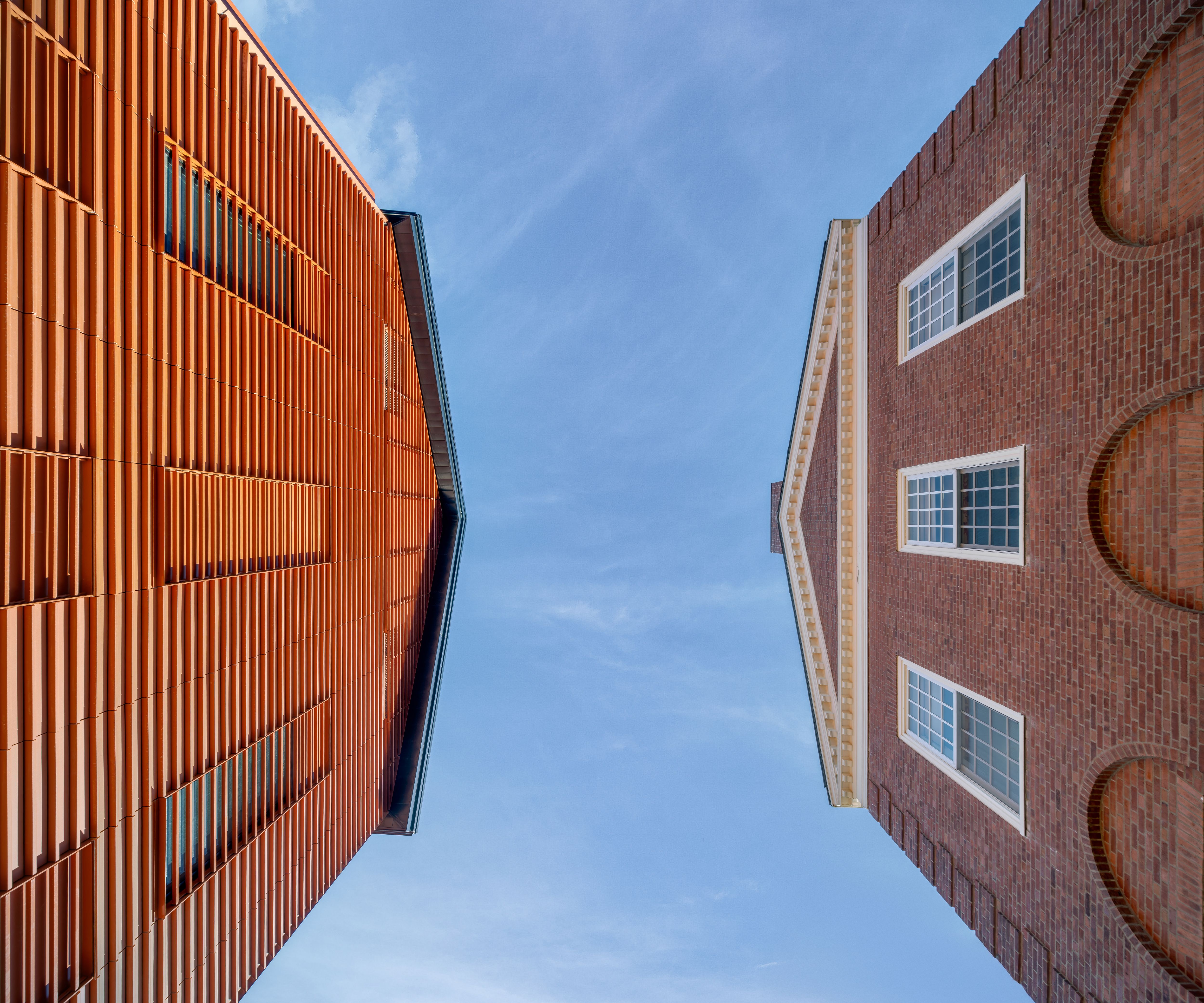
Image by Ian Christman
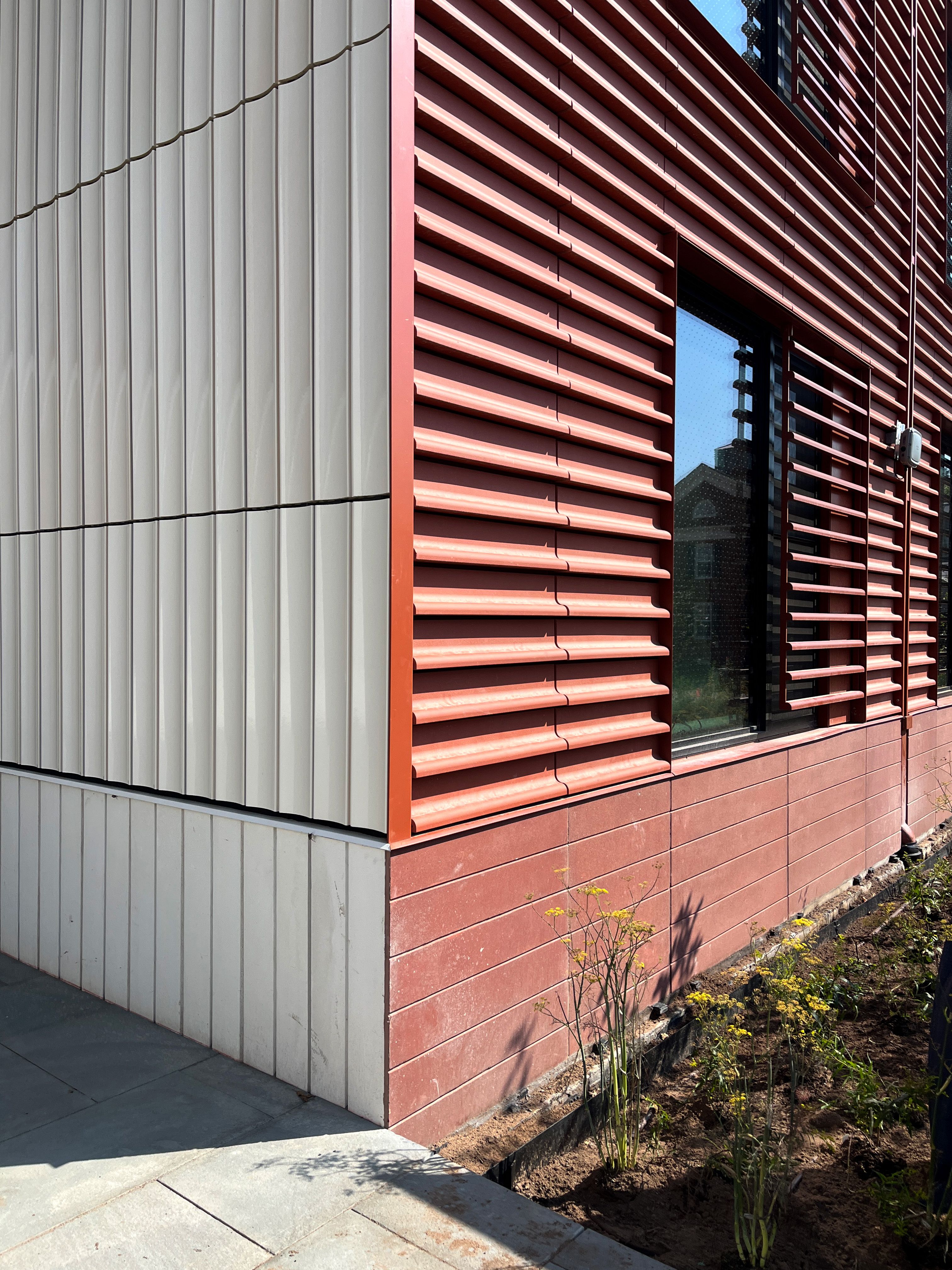
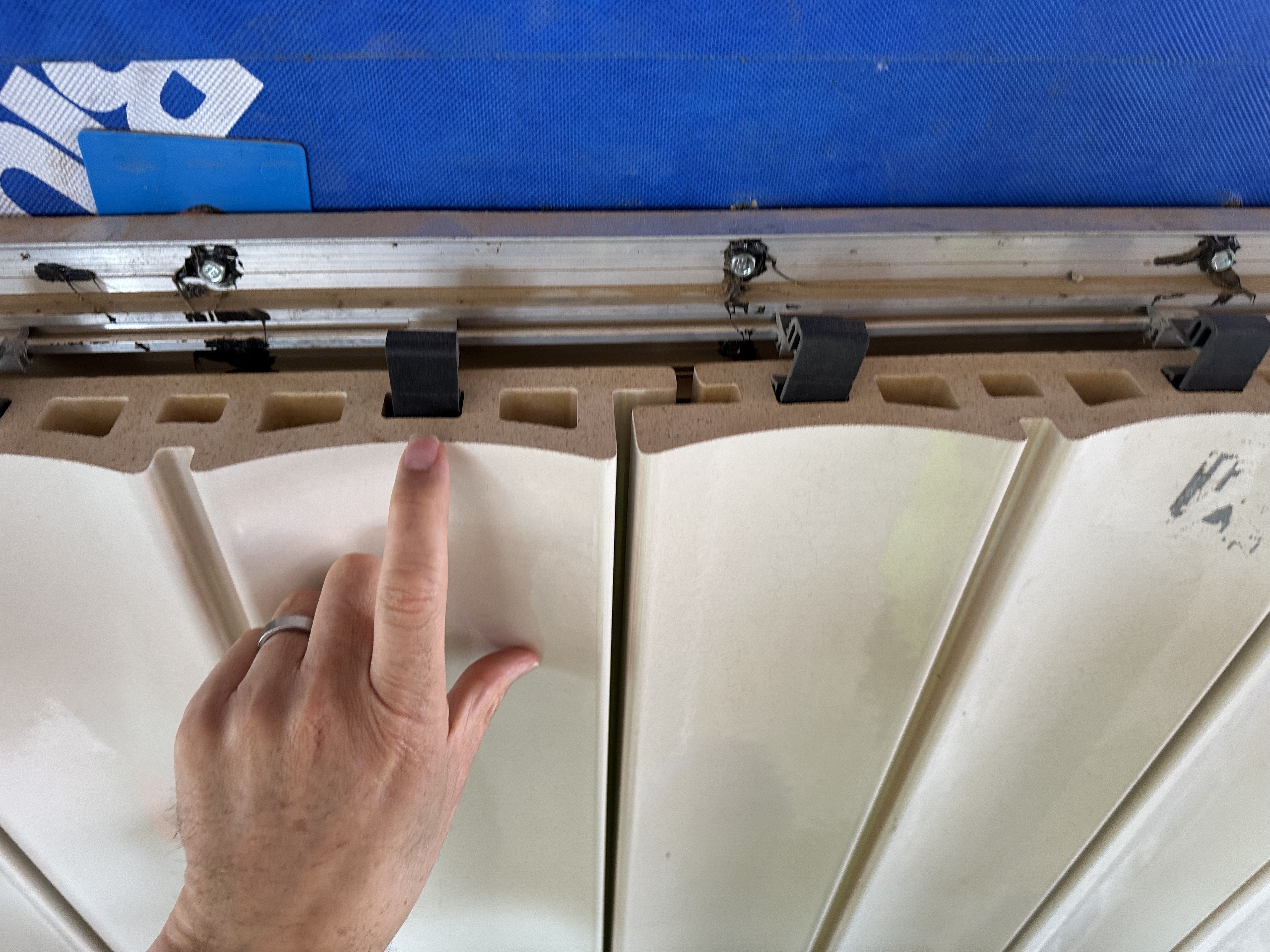
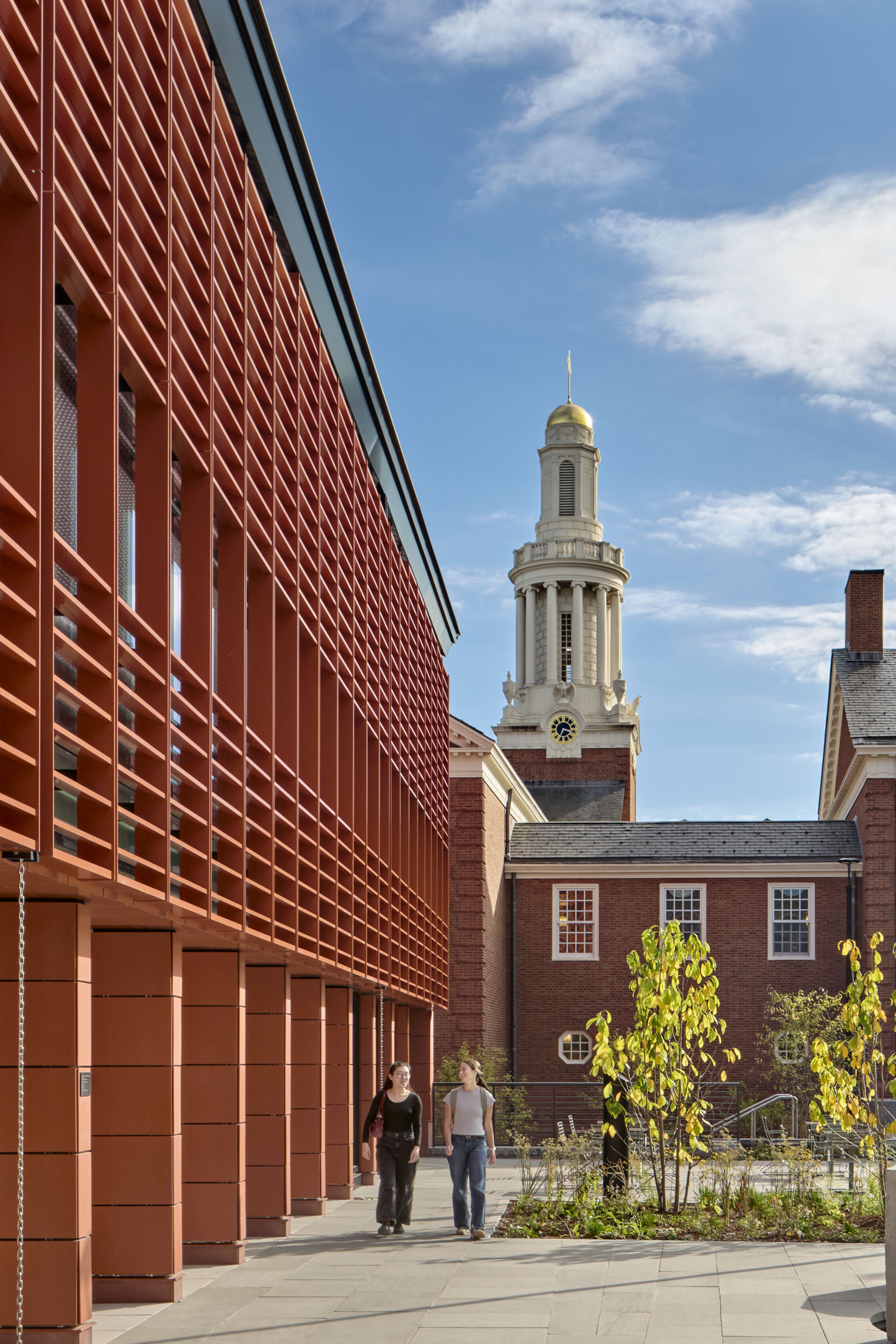
Image by Robert Benson

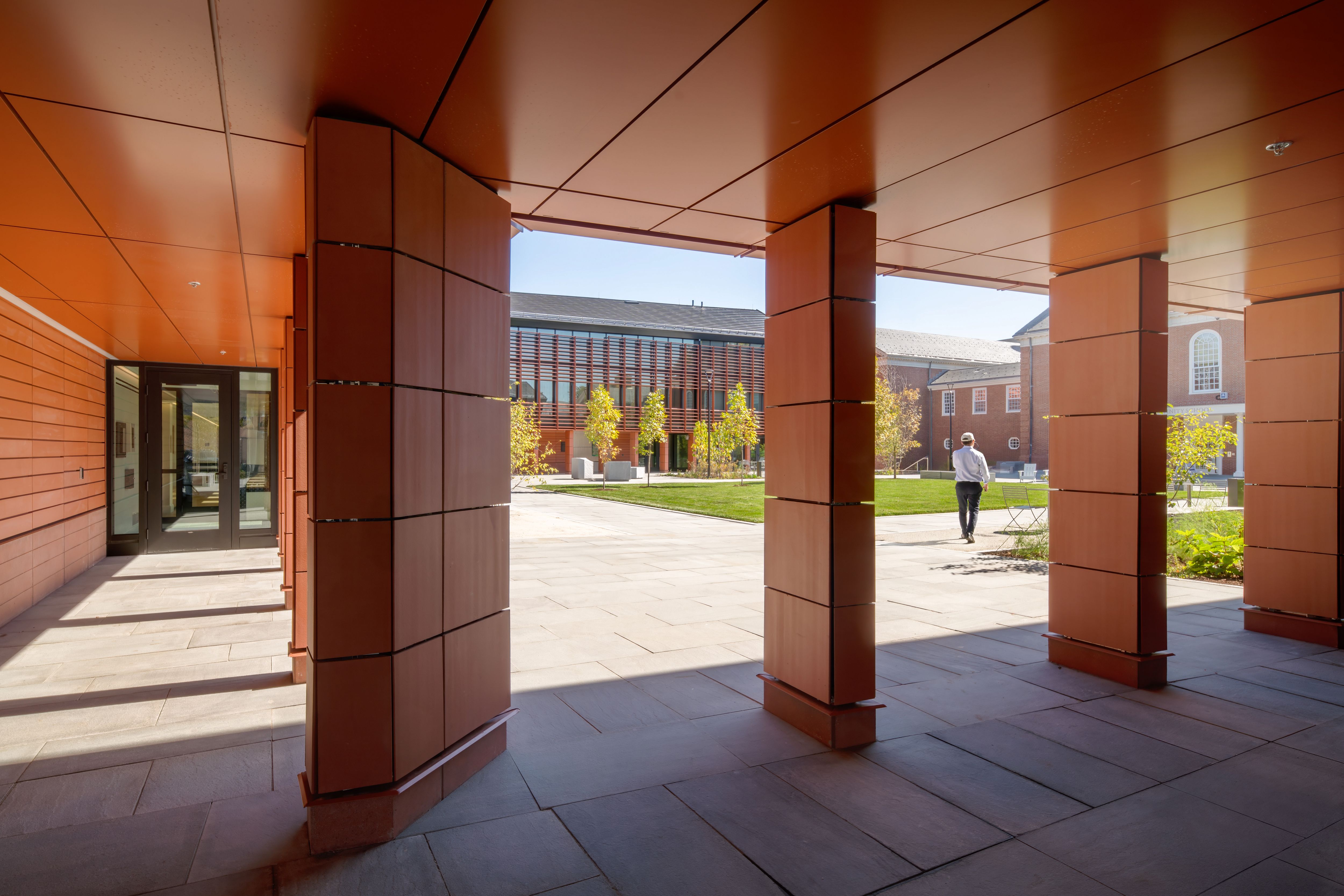
Image by Ian Christman
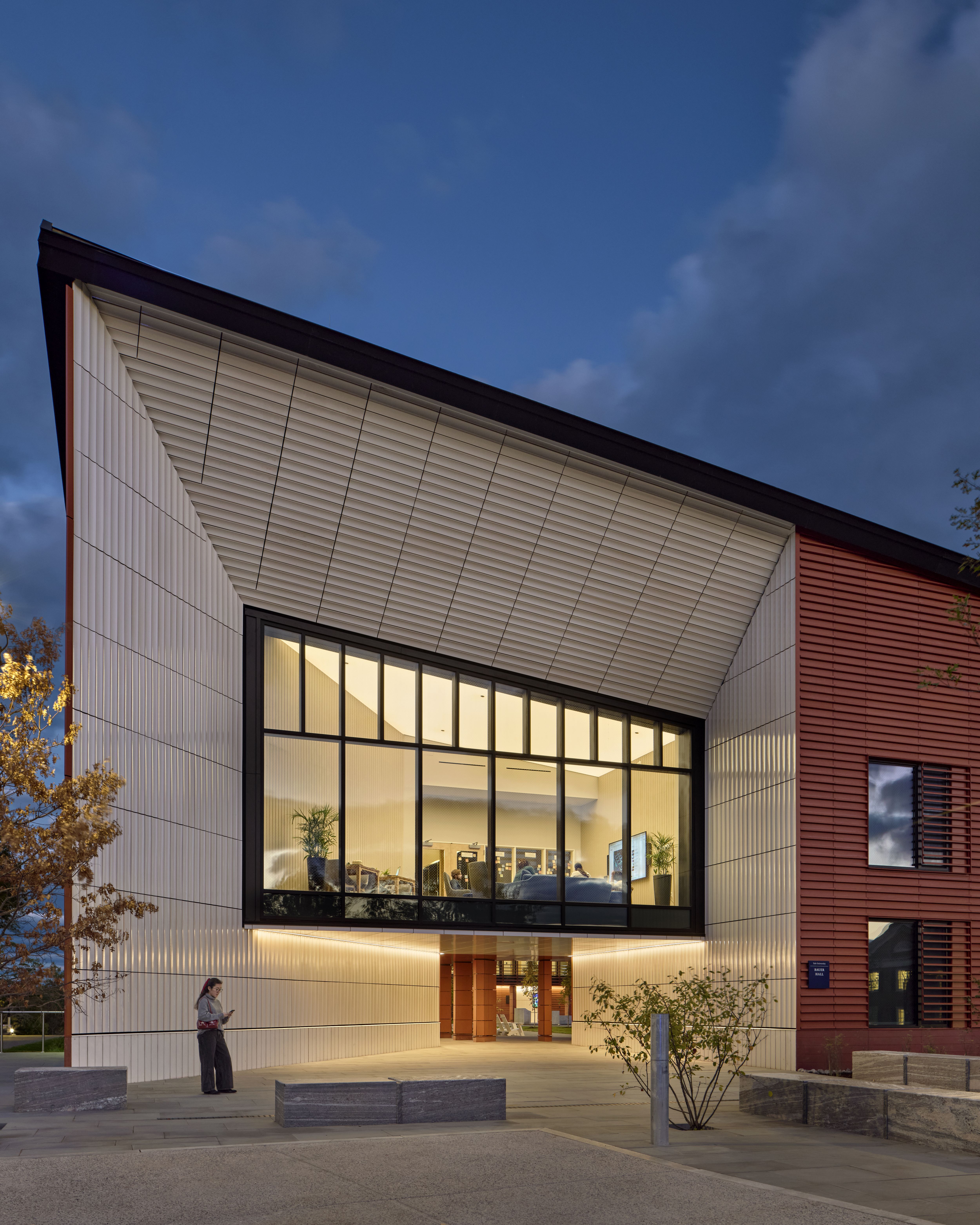
Image by Robert Benson